Pros and Cons of AI Cameras: A Guide for Semi-Pro Soccer Clubs
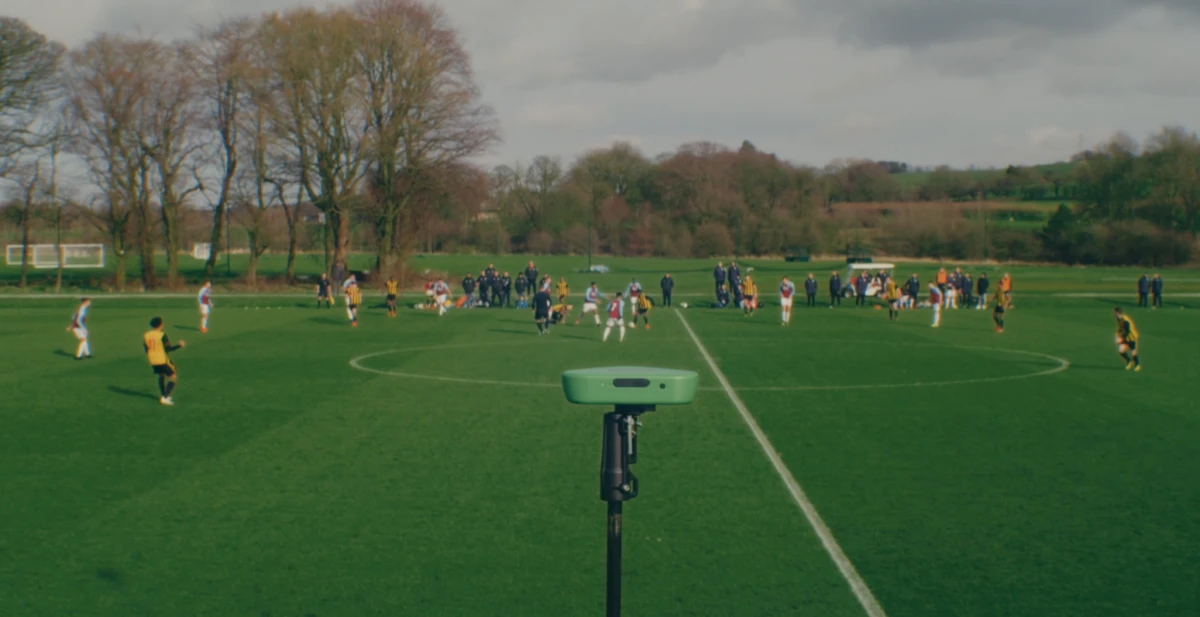
AI cameras are now a familiar sight in U.S. soccer, especially at the semi‑pro and competitive amateur level. If you run or coach a semi‑pro soccer club, you probably have an AI camera from Veo or Hudl. Whether it’s for player development, a league requirement for a live feed, or giving families on‑demand access, these AI camera providers like Veo have become the go‑to solution. It’s a logical answer to a lot of pain points when it comes to video. It’s a one‑time purchase and the setup is simple. The features are modern, and teams can start recording fast with little to no additional staff.
Veo’s reach in the U.S. is already broad. In 2022, US Club Soccer announced a formal partnership with Veo to offer the technology to its members—more than 10,000 clubs and millions of players—showing how deeply AI cameras are embedded across American soccer programs. At the semi‑pro level, the United Premier Soccer League (UPSL) signed an exclusive multi‑year rights deal with Veo to provide clubs with live streaming, highlights, and analysis, showing how standard this tech has become in semi‑professional competition.
These perks are real, and they explain why AI cameras have taken off. The camera captures the game, while the viewing experience depends on audio and presentation. Two areas that matter most to fans and sponsors still fall short with an AI‑only setup: audio and branding. Don’t get us wrong—AI cameras are powerful tools. They solve a huge list of traditional livestream problems without adding more staff, more hardware, or more time spent on training. But on their own, AI cameras can actually limit your team’s online presence rather than elevate it.
Perks of Autonomy
The biggest selling point of AI cameras is reliability. With a stable network, you’ll be able to capture 90–99% of the game without the risk of human error. The camera tracks the run of play and keeps a usable, wide view of the action for the entire match. That consistency alone is a massive leap forward for your team.
Compare that to a traditional livestream setup, where the “camera operator” is often a volunteer or intern who hasn’t been trained on the basics of running a camera. Even with the best intentions, the result is usually shaky, off‑center, or missing some of the game's biggest moments. And if you don’t have a fluid‑head tripod, the shot can get stuck mid‑play, cutting off the action at the worst possible time. With AI tracking, that problem largely disappears.
Statistical Data
Systems like Veo Analytics (and similar tools from Hudl) can automatically mark events, build heat maps, and visualize player movement and passing lanes. That data becomes a real coaching asset, especially when you need quick post‑game insights or a way to communicate tactical adjustments to players.
AI cameras are excellent for capturing the game itself. For training and internal review, they’re an easy win. However, your fans are often alienated from the conversation.
Audio Issues
Without audio, even the best visuals of the game feel flat and disconnected. Most AI cameras include a basic built‑in microphone, but that audio is usually thin, distant, and dominated by ambient wind. If conditions are rough, the mic can actually be worse than silence, harsh volume levels can make the stream unwatchable for your fans.
Think about the last time you watched a big game on TV: the commentary adds context, the crowd adds emotion, and the live sound turns the match into a story very subtly. Strip that away and the experience becomes boring. Fans might start your single camera stream, but they won’t stay for long.
Lack of Branding Opportunities
AI camera platforms usually provide minimal, static on‑screen graphics. That means no fully dynamic scoreboards, only basic sponsor placements, no custom lower thirds, and no highlight overlays. Your fans are left without key game information, and your club loses a huge opportunity to monetize the stream.
Sponsors are wanting dynamic integrations: animated scorebugs with their branding, goal notifications with their name, replay bumpers with a QR code, and commentary shoutouts tied to moments in the match. If you’re looking to make money from your stream, you will need far more than what an AI camera has to offer.
The Solution
You don’t need to replace your camera or invest in expensive audiovisual equipment. You just need to add the right production layer.
This is exactly where PrimeBug comes in.
We take the live feed from your Veo, Hudl, or any AI camera system and add real value to it. We keep the perks of AI (the integrated autonomy and statistics) while adding what makes the stream compelling for fans and sponsors.
PrimeBug recently worked with a semi‑pro soccer club and delivered more than 4,000 views on YouTube, with concurrent viewership higher than their previous streams. PrimeBug also captured an own goal that was seen across the semi‑professional community online, including USL circles, and that clip gained 33,000 views across PrimeBug’s social channels. This brought alot of attention not only to the team, but to their sponsor as well.
Here’s how PrimeBug can upgrade your livestream:
We integrate professional AV gear for commentary and field audio so viewers feel the atmosphere of the match.
We build a custom graphics suite with dynamic scorebugs, live stats, and sponsor integrations fully branded to your club and partners.
We add live replay and multi‑camera angles when possible.
We produce the stream with pacing and storytelling in mind, turning a basic feed into something fans want to share online and partners want to be part of.
Your AI camera is a great tool. But when you bring in the human element, your livestream becomes a platform for growth: more views, stronger engagement, and new revenue opportunities.
" height="47.9906px" id="OZqlFPzZG" width="47.9719px"/><path d="M 12.328 0 C 5.522 0 0 5.522 0 12.328 C 0 19.134 5.522 24.656 12.328 24.656 C 19.134 24.656 24.656 19.134 24.656 12.328 C 24.656 5.522 19.134 0 12.328 0 Z M 12.328 20.325 C 7.913 20.325 4.331 16.744 4.331 12.328 C 4.331 7.913 7.913 4.331 12.328 4.331 C 16.744 4.331 20.325 7.913 20.325 12.328 C 20.325 16.744 16.744 20.325 12.328 20.325 Z" fill="rgb(204, 204, 204)" height="24.6562px" id="hkWItU_tA" transform="translate(11.672 11.672)" width="24.6562px"/><path d="M 5.756 2.878 C 5.756 4.472 4.462 5.756 2.878 5.756 C 1.284 5.756 0 4.463 0 2.878 C 0 1.284 1.294 0 2.878 0 C 4.462 0 5.756 1.294 5.756 2.878 Z" fill="rgb(204, 204, 204)" height="5.75623px" id="K_kf9b3h3" transform="translate(33.938 8.306)" width="5.7562px"/></g></svg>)